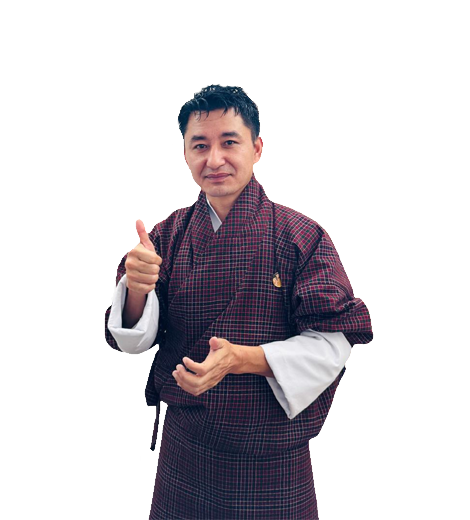
Who South Hills Tours & Travels?
Explore incredible things in Bhutan. Tiger's nest hike,Buddhist Festivals, river rafting , and more.
Need help?
+975 17550505
Email Address
Explore incredible things in Bhutan. Tiger's nest hike,Buddhist Festivals, river rafting , and more.
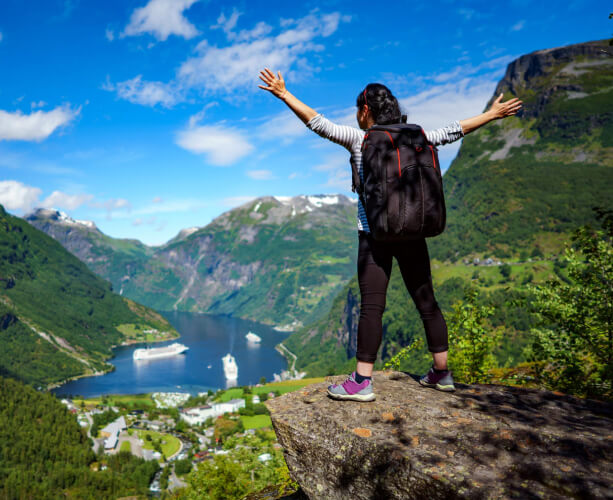
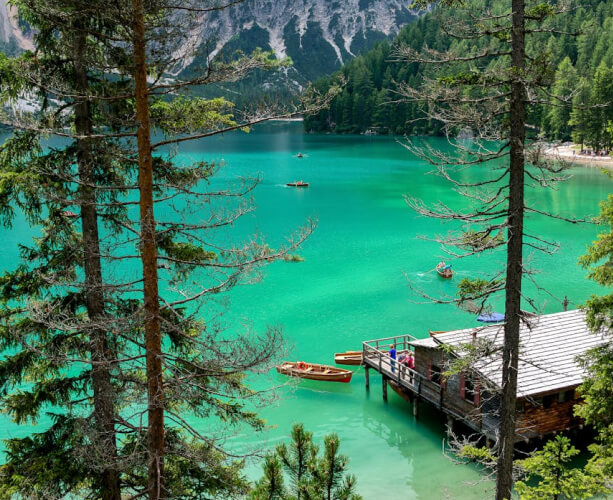
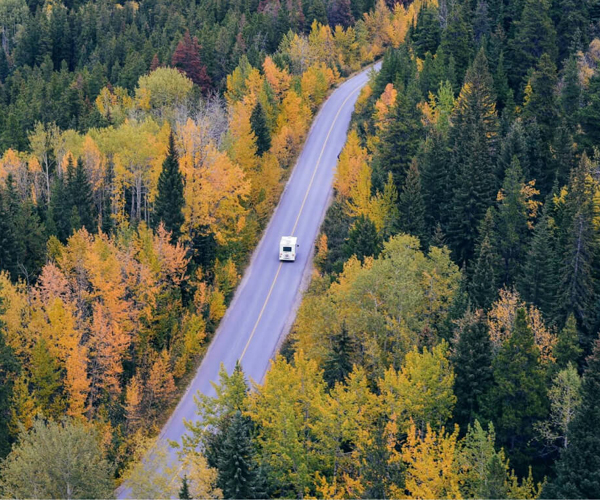
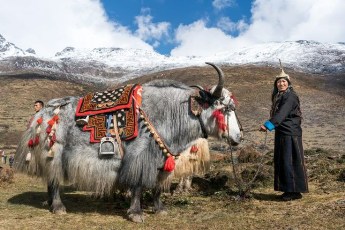
Bhutan is a hidden paradise for adventure seekers, offering unspoiled landscapes and thrilling experiences in the heart of the Himalayas. From trekking through pristine forests and remote mountain trails to rafting along crystal-clear rivers, the country provides a perfect blend of challenge and natural beauty. Wildlife enthusiasts can explore national parks rich in biodiversity, spotting rare species in their natural habitat. Whether it’s hiking to breathtaking viewpoints or venturing deep into the wilderness, Bhutan promises an unforgettable adventure in the wild.
Availability
Guide
VISA, Master Card
Bus, Taxi, Moto
Relaxation
1-16persons
Bhutan Tour
Available
Arrival briefing, Gear check and load redistribution.
Paro Taktsang (Tiger's Nest) is Bhutan's most iconic monastery, clinging dramatically to a cliff
face in the Paro Valley, built around a sacred meditation cave where Guru Padmasambhava (Guru
Rinpoche) is believed to have meditated after arriving on a flying tigress. This 17th-century
Vajrayana Buddhist site is a major pilgrimage destination, accessible by a challenging hike through
pine forests, offering breathtaking views and profound spiritual significance as a symbol of
Bhutanese culture and faith.
Other Names: Tiger’s Nest, Paro Taktsang, Tiger's Nest Monastery, Taktsang Lhakhang
Altitude/Elevation: 3,120 meters (10,240 feet) above sea level
History: About 330 years
Opening Hours: Typically, from early morning to late afternoon.
Tiger Nest Entry Fee: 1000 BTN (USD $12.00)
Time Needed for a Visit: Around 4 to 6 hours for the round-trip hike and visit
After the hike enjoy and experience the relaxing hot stone bath in Paro.
A hot stone bath at a Bhutanese eco-farm is a traditional, holistic wellness experience where redhot river stones are placed in a wooden tub of water, releasing minerals and heating the water,
infused with medicinal herbs like Artemisia (Khempa) for muscle relief and relaxation, often
enjoyed outdoors amidst serene farmland, accompanied by organic farm-fresh meals, offering a
deeply authentic connection to Bhutanese culture, nature, and ancestral healing practices, distinct
from commercial spas for a peaceful, private immersion in well-being.
Distance: Approx. 16 kms.
Time: Approx. 7-8 hours.
Start elevation: Approx. 2850 meters.
Campsite elevation: Approx. 3570 meters
The Jomolhari trek begins at Gunitsawa village/ Sharna Zampa where you pass the army post. At
the army check post your trek permit (provided by your tour operator) will be checked and
endorsed.From here, the trail winds through the river valley, offering a variety of ups and downs
as you make your way forward. As you continue along the path, it gradually narrows, leading you
to a meadow where your first campsite awaits.
If weather conditions permit, this site offers a stunning view of Mount Jomolhari, providing a
breathtaking introduction to the natural beauty that awaits you. With each step, you will find
yourself more immersed in the rugged landscape and captivated by the allure of this unforgettable
Bhutan trek.
Overnight: Campsite Thangthangka
Distance: Approx. 11 kms.
Time: Approx. 5-6 hours
Campsite Elevation: Approx. 4040 meters.
The Paro Chhu valley, which opens up into alpine meadows and sparse woods, is the setting for
today's hike. You'll pass through an army checkpoint and be rewarded with breathtaking vistas of
high mountain ridges and snow-capped peaks. You'll come across yaks and the homes of their
herders along the road. Before arriving at Jangothang, one of the most magnificent campsites in the Himalayas, the trail goes through settlements such as Soe, Takethang, and Dangochang.
Another breathtaking vista of Mount Jomolhari awaits you from here.
Today's trek takes you through the Paro Chhu valley, which opens up into alpine meadows and
sparse forests. As you through the army checkpoint you will be treated to magnificent views of
high mountain ridges and snow-capped peaks. Along the way, you'll encounter yaks and their
herders' homes. The trail passes through villages like Soe, Takethang, and Dangochang before
reaching Jangothang, one of the most beautiful campsites in the Himalayas. From here, you'll have
another awe-inspiring view of Mount Jomolhari trek
Overnight : Camp at Jangothang Jomolhari trek
Distance: Approx. 16 kms.
Time: Approx. 7-8 hours.
Campsite Elevation: Approx. 4010 meters.
The trail follows the stream for roughly half an hour before crossing a bridge to the right side.
From there, the climb begins toward the first ridge, where breathtaking views of Jomolhari
(7,314m), Jichu Drake (6,989m), and Tsherim Gang (6,789m) unfold. Afterward, the path leads
into the valley, remaining mostly flat before ascending to the Ngye La Pass at 4,830m.
Beyond the pass, a gradual descent takes you toward the campsite, with panoramic views of the
surrounding peaks and Lingshi Dzong. If time permits, a short detour leads to this compact fortress
perched on a hilltop, overlooking Lingzhi village below. For centuries, Lingshi Dzong served as
both a resting point for weary Buddhist pilgrims and a defensive outpost against Tibetan and
Mongol invasions. The night’s camp rests at 4010m.
Overnight: Camp Lingshi
Distance: Approx. 22 kms. Time: Approx. 8-9 hours.
Campsite Elevation: Approx. 4080 meters.
This part of the Jomolhari trek begins at the tree line of Mount Birches and gradually transitions into the Alpine zone. Following the path of Mochu, you'll be rewarded with refreshing beverages and ascend to conquer the breathtaking Yaklela pass at 4,942 meters. From the pass, you'll be greeted by an awe-inspiring panorama of Mount Jomolhari, Jomolhari 2, Jichu Drakey, and Tsheringmeigang.
Overnight: Camp at Shodu
Distance: Approx. 16kms. Time: Approx. 5-6 hours.
Barshong Elevation: Approx. 3600 meters. Thimphu Elevation: Approx. 2200 Meters
Today's Jomolhari Trek trail follows the Thimphu Chhu through rhododendron forests, past beautiful waterfalls along the way. The valley narrows till the path takes to the slopes and gradually ascends to the ruins of Barshong Dzong.
From Barshong you will be picked up by a pickup truck and drive to Thimphu- the road may be bumpy.
Overnight: Thimphu
Thimphu sightseeing includes Zorig Chusum (13 arts and crafts).
Thimphu's "13 Arts and Crafts," known as Zorig Chusum, are Bhutan's traditional artistic disciplines, preserved at the National Institute for Zorig Chusum (School of Arts and Crafts) to maintain cultural heritage, encompassing painting, sculpture, carving, calligraphy, paper making, casting, embroidery, weaving, carpentry, masonry, cane/bamboo work, gold/silver smithing, and blacksmithing, with students learning these skills over several years.
Visit significant religious sites such as Buddha Dordenma.
Perched atop a hill in Kuenselphodrang Nature Park overlooking the southern entrance to Thimphu Valley, the Buddha Dordenma is one of Bhutan’s most iconic landmarks. This massive statue stands at an impressive height of 54 meters (177 feet), making it one of the largest seated Buddha statues in the world. Cast in bronze and gilded in gold, it embodies Shakyamuni Buddha and exudes a serene, majestic presence over the city.
Thimphu's eco-tourism centers on its unique wildlife (like the Takin at Motithang Preserve).
The Takin Preservation Center, officially the Motithang Takin Preserve, is a wildlife reserve in Thimphu, Bhutan, dedicated to protecting the Takin, the nation's unique national animal, featuring walking trails, educational exhibits, and opportunities to see these goat-antelope creatures and other native wildlife in a natural setting. Originally a mini-zoo, it was converted into a preserve to conserve the species, which is central to Bhutanese folklore.
Overnight: Damchoe’s Homestay
Drive towards Paro and see-off from Paro international Airport
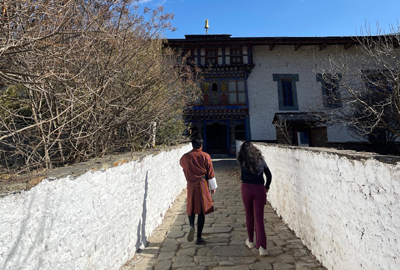
Eco-tourism in Bhutan is a sustainable approach to travel that prioritizes environmental conservation, cultural preservation, and community well-being. Guided by the country’s unique development philosophy of Gross National Happiness, Bhutan limits visitor numbers and promotes low-impact tourism. Visitors experience pristine landscapes, rich biodiversity, and deeply rooted traditions while contributing to local economies and conservation efforts. This model ensures that tourism supports Bhutan’s natural heritage and cultural identity for future generations.
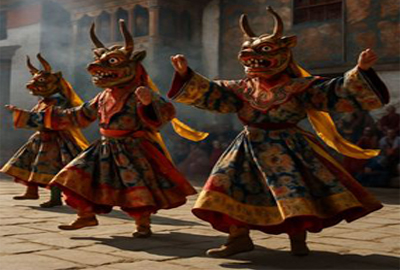
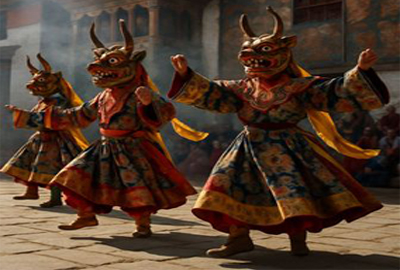
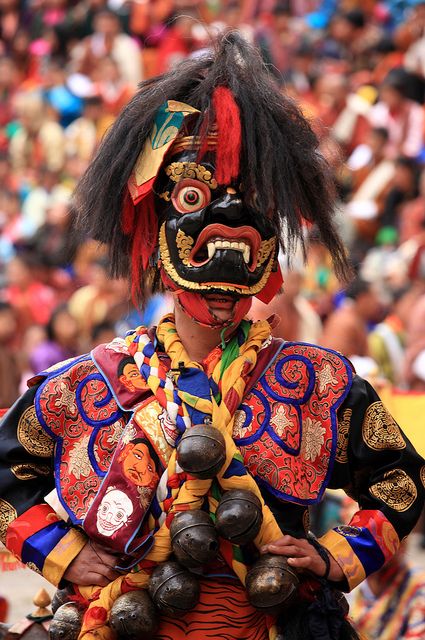
Bhutan offers a rich and immersive cultural tour experience, where tradition and spirituality are deeply woven into everyday life. Visitors can explore ancient monasteries, vibrant festivals, and traditional villages, gaining insight into the country’s unique way of life. From witnessing colourful masked dances to visiting sacred temples perched on cliffs, a cultural journey through Bhutan reveals a harmonious blend of history, religion, and community that has been carefully preserved for generations.
Bhutan offers unique adventure travel defined by pristine Himalayan Landscapes, deep Buddhist Culture, and a focus on Gross National Happiness(GNH)